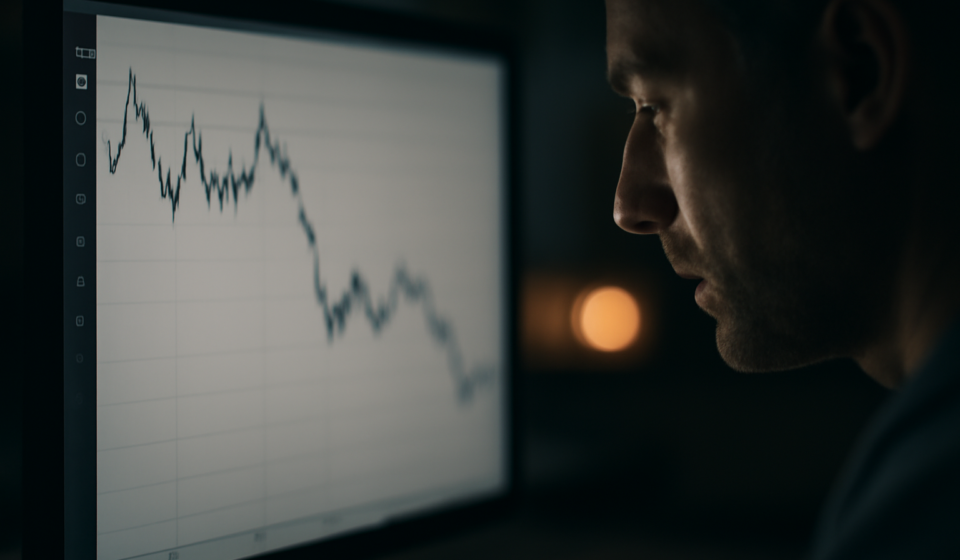

There’s a widespread belief that artificial intelligence (AI) is on the cusp of consistently predicting future trends with over 90% accuracy. It’s an attractive idea: machines effortlessly reading the tea leaves of our world, guiding investment flows, personal health choices, and even entire industries. But is this confidence in AI’s forecasting power justified? Let’s clarify what AI can—and cannot—do when it comes to charting the path ahead.
Beyond the Hype: What AI Actually Predicts
AI’s reputation for uncanny accuracy is often based on its performance in controlled, data-rich environments. In sectors like finance, AI models analyze vast datasets—everything from stock prices to economic indicators—to seek patterns humans might miss. Similarly, in health monitoring, subtle changes such as a slowing walking speed can signal underlying issues before they become critical, supporting earlier interventions.
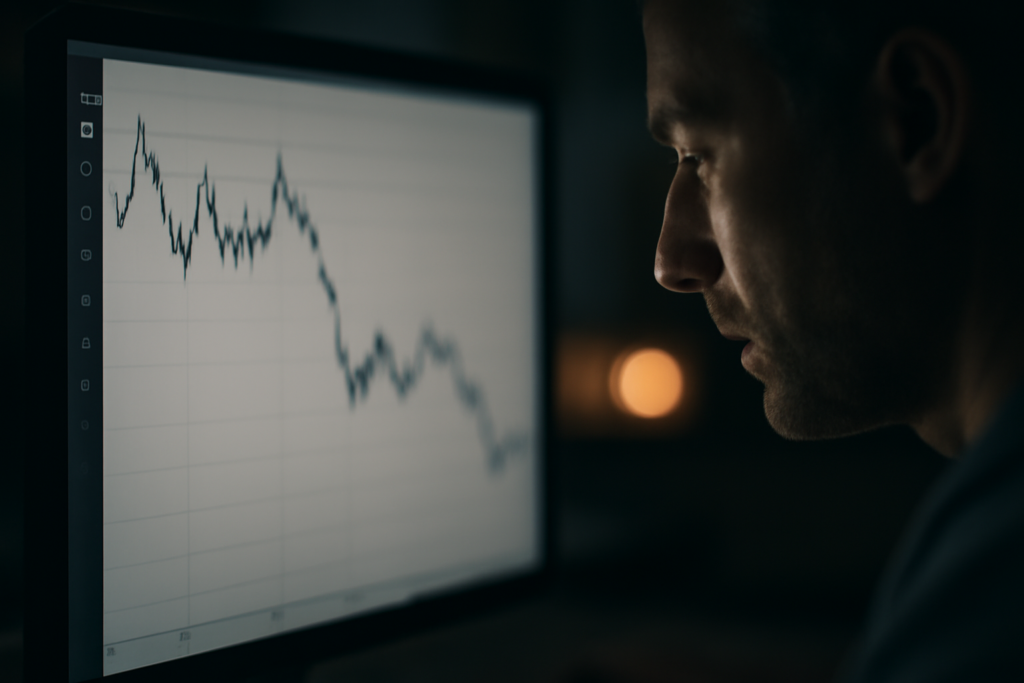
However, the leap from identifying patterns in historical data to reliably forecasting the future is significant. Many AI predictions are probabilistic: they estimate the likelihood of events, not guarantees. For example, while an AI might assign a high probability to a particular development in tech stocks or assess the risk of declining mobility in older adults, these predictions always include a margin of error. Randomness, rapidly shifting contexts, and human unpredictability limit the certainty of any forecast.
Where High Accuracy Exists—and Where It Doesn’t
Some domains lend themselves better to high-precision AI forecasting. For example, short-term financial market movements with thousands of data points allow AI to reach impressive accuracy, but even here, 90%+ remains rare and is usually limited to very specific, stable conditions. Similarly, health trend predictions—such as the link between declining walking speed and future independence—can be statistically robust in large populations, but individual outcomes still vary.
Conversely, AI struggles when entering new markets, facing unprecedented events, or predicting long-term societal changes. Disruptive innovations, geopolitical shifts, or sudden regulatory changes can upend even the most sophisticated models. In these cases, AI can highlight scenarios, but not deliver certainties.
Practical Implications for Investors and Decision-Makers
For beginners interested in investment strategies, especially in emerging fields like rare earths, bonds, or property, AI-powered analyses can be a helpful tool—flagging anomalies or highlighting opportunities. However, these systems should complement, not replace, human judgment and due diligence. Relying solely on AI projections for high-stakes decisions, whether in financial markets, health, or technology, still involves risk.
Similarly, in everyday health monitoring, AI can act as an early warning system—such as identifying the significance of decreased walking speed—but consulting medical professionals remains essential for personalized guidance. The same principle applies to complex financial products like hedge funds or gold ETFs: AI may aid in analysis, but expert insight and a thorough understanding of risk are indispensable.
The Road Ahead: Collaborating With, Not Replacing, Human Intuition
Ultimately, the most effective use of AI lies in partnership with human expertise. As AI becomes further integrated into banking, investing, and personal health, its greatest strength is enhancing our ability to spot patterns, manage complexity, and respond rapidly to emerging signals—without the illusion of perfect foresight. For those building passive income streams or monitoring personal wellbeing, AI should be seen as a powerful assistant, not a prophetic oracle.
For readers interested in related topics, exploring areas like investment for beginners or how AI is used in finance can offer further insights into the evolving relationship between technology and decision-making.
This article is for informational purposes only and does not constitute financial, investment, or health advice. For personalized recommendations, consult a qualified professional before making significant decisions.
Kapcsolódó cikkek