

Curious whether AI can truly forecast future trends with more than 90% accuracy? As technology advances, AI-driven predictions are influencing choices from education to finance. But what does this mean for your own decisions in the near future?
Behind the Numbers: What High-Accuracy AI Means
When people hear that artificial intelligence can reach over 90% accuracy in predicting future trends, it’s natural to imagine near-certain outcomes. In reality, this level of precision is context-dependent. For example, in areas like image recognition or certain types of medical diagnosis, AI has achieved impressive accuracy rates. However, when it comes to complex, future-oriented topics—such as the best school for future job prospects or which industries will flourish—the picture is more nuanced.
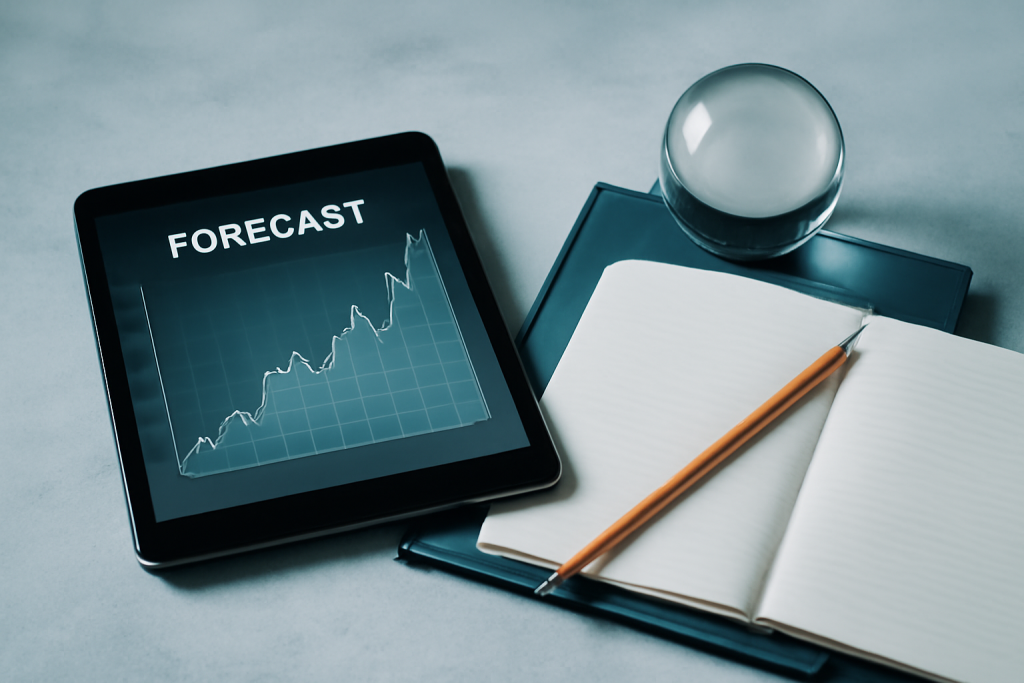
AI models learn from massive pools of historical data and ongoing trends. In the context of education, for instance, algorithms analyze factors such as graduate employment data, regional economic shifts, and skill demands. The resulting insights can help students and families make more informed decisions about school selection, increasing the likelihood of better job opportunities down the line. However, the accuracy of these predictions depends on data quality, changing economic conditions, and unforeseen disruptions.
Education, Employment, and the Role of AI Forecasts
Choosing the right educational path has always been a pivotal decision with long-term consequences. Today, AI tools offer guidance by mapping how particular schools or training programs align with future job markets. For example, if AI identifies a rising demand for fintech experts or renewable energy engineers, students can tailor their learning accordingly.
Yet, even with highly accurate AI predictions, there is always an element of uncertainty. Global economic changes, policy shifts, and technological breakthroughs can rapidly alter demand for certain skills. Therefore, while AI can spotlight promising directions, it’s still important to consider personal interests, adaptability, and soft skills—qualities that are harder for algorithms to quantify, but often critical for career longevity.
AI in Broader Decision-Making: Opportunities and Cautions
Beyond education, AI forecasting is increasingly used in finance, real estate, and other sectors. For instance, AI can analyze rental property demand or suggest optimal investment strategies based on inflation and global economic signals. In banking and wealth management, predictive tools help identify emerging risks and opportunities, supporting safer and more informed choices.
However, even the most advanced AI cannot account for every variable. Unusual events—like sudden regulatory changes or economic crises—can disrupt even the best-trained prediction models. In everyday terms, this means AI should be used as a tool for guidance rather than as an absolute authority.
Practical Takeaways: What Should You Do?
- Use AI predictions as a guide: Let data-driven forecasts inform your choices, but always combine them with your own research and judgment.
- Stay flexible: Whether you’re picking a school, planning investments, or considering property, maintain adaptability as trends may shift.
- Watch for updates: AI models are constantly learning; check for the latest forecasts related to your interests, such as investment strategies or education pathways.
In summary, while AI is transforming our ability to anticipate the future, even the most accurate models are only as reliable as the data and assumptions behind them. For those making important decisions in the coming days—be it educational, financial, or career-related—AI can provide valuable direction, but human insight remains essential.
This article is for informational purposes only and does not constitute financial, investment, or educational advice tailored to individual circumstances. For personal guidance, consider consulting a qualified professional.
Kapcsolódó cikkek